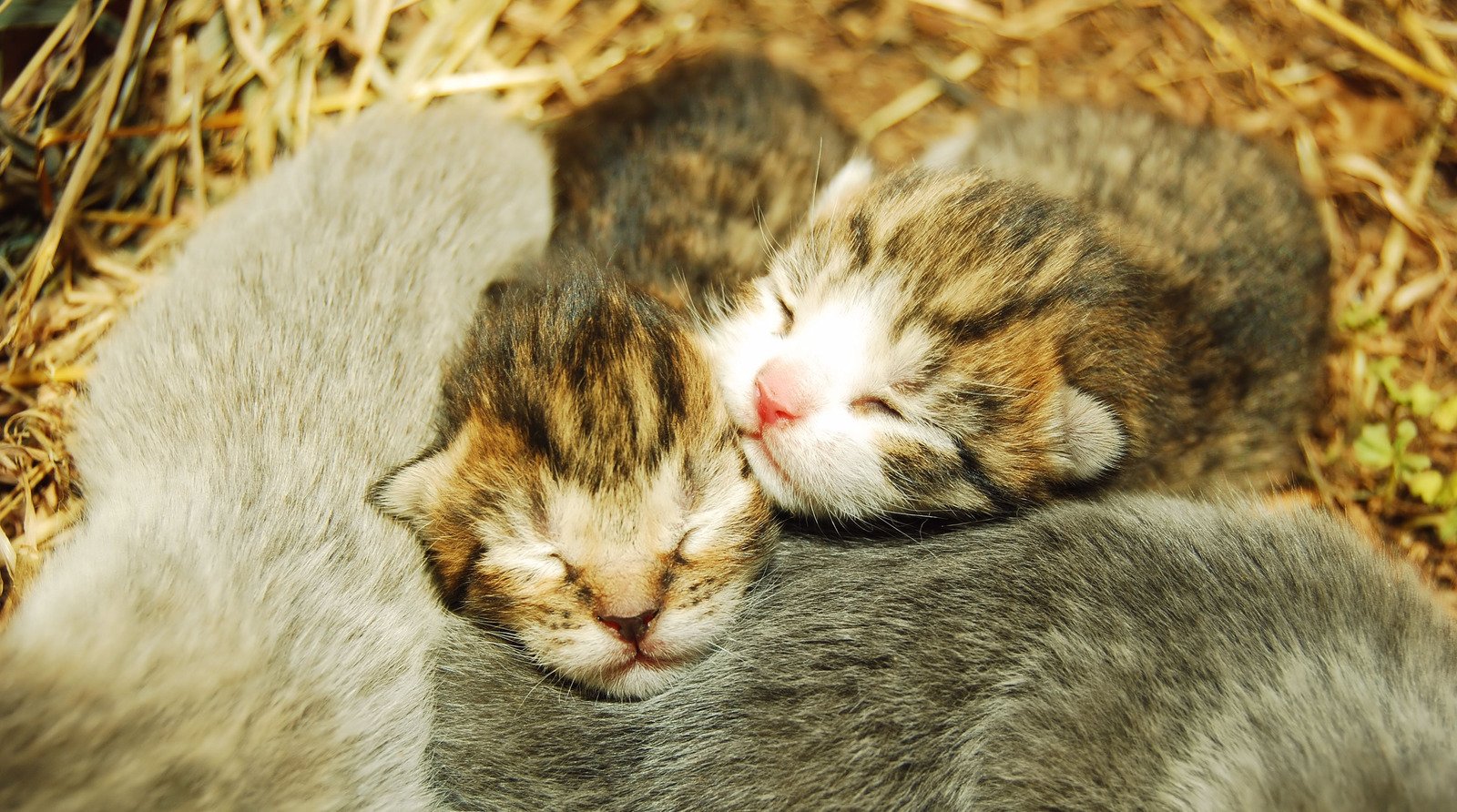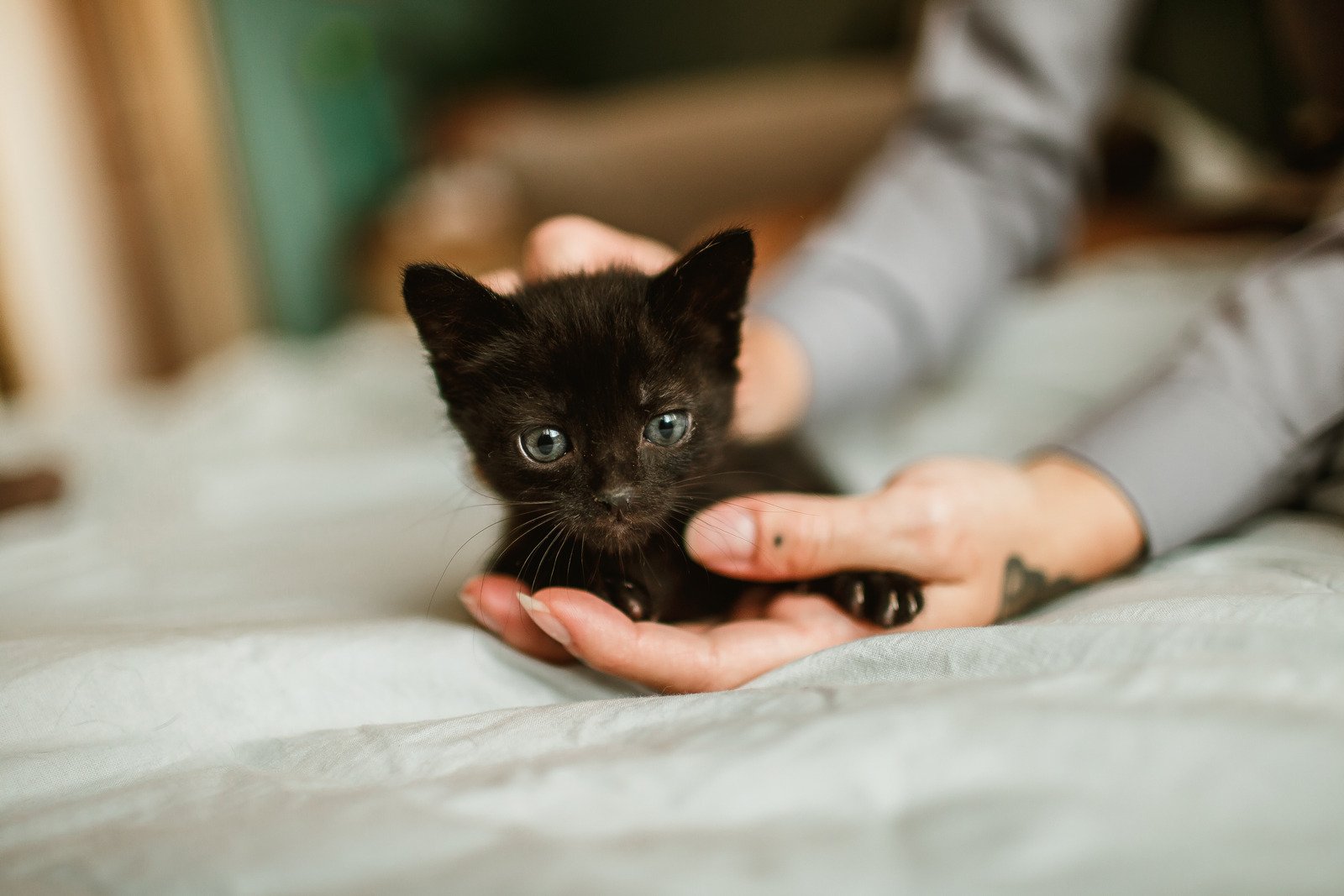
In the tapestry of a family’s life, there are few threads as heartwarming and enduring as the bond between children and their pets. From the loyal dog that accompanies a child on countless adventures to the curious cat that becomes a toddler’s closest confidant, these furry companions bring joy, comfort, and valuable life lessons into our homes. Yet, fostering a loving and safe relationship between pets and kids requires understanding, patience, and careful guidance. In this article, we’ll explore the steps to ensure that the connection between your children and their animal friends is one filled with love, respect, and mutual well-being.
1. Choose the Right Pet
The journey to a harmonious relationship begins with choosing the right pet for your family. Consider factors such as the pet’s temperament, size, energy level, and compatibility with children. Research breeds or species known for their kid-friendly nature.
2. Education and Preparation
Before bringing a new pet home, educate your children about responsible pet ownership. Teach them about the needs and behaviors of the chosen pet, emphasizing the importance of gentle handling and empathy.
3. Supervision is Key
Supervision is crucial when pets and young children interact. Never leave them alone together, especially in the beginning. Even the gentlest pet may react unpredictably to a child’s actions, and children may not fully understand the pet’s boundaries.
4. Teach Respect and Boundaries
Teach your children to respect the pet’s personal space and boundaries. Explain that pets, like people, need their own “me-time” and may not always be in the mood to play. Encourage gentle petting and discourage tail-pulling or rough handling.
5. Training and Socialization
Proper training and socialization for both pets and children are essential. Enroll your pet in obedience classes if necessary, and encourage children to participate. Teach them basic commands like “sit” and “stay” to ensure control and safety.
6. Encourage Empathy and Compassion
Empathy is a valuable lesson children can learn from their pets. Encourage them to consider the pet’s feelings and needs. Explain that pets may become scared, anxious, or unwell and need comfort and care.
7. Establish a Routine
Both pets and children thrive on routine. Create a consistent schedule for feeding, playtime, and rest. This predictability helps pets feel secure and helps children understand their pet’s needs.
8. Make Learning Fun
Incorporate fun and educational activities that involve pets. Read books about animals, visit the local zoo or animal shelter, and involve your children in pet-related chores like feeding, grooming, and cleaning.
9. Regular Veterinary Care
Ensure your pet receives regular veterinary care to keep them healthy and prevent potential issues. Teach your children about the importance of check-ups, vaccinations, and grooming.
10. Lead by Example
Children learn by example, so be a role model of kindness and respect towards animals. Your actions will leave a lasting impression on your children’s attitudes and behaviors toward pets.
11. Celebrate Milestones
Celebrate the milestones in your pet and child’s relationship. Capture these moments with photos, and create a sense of accomplishment and pride for your children.
12. Be Patient
Building a loving and safe relationship between pets and kids takes time. Be patient and understanding as your children learn about responsibility and empathy through their interactions with their animal companions.
Pets and kids have an extraordinary capacity to bring out the best in each other. With the right guidance and a commitment to fostering a loving and safe environment, your family can enjoy the immeasurable benefits of the bond between children and their beloved pets. This connection not only enriches the lives of your children but also creates enduring memories and a foundation of compassion that they will carry with them throughout their lives.