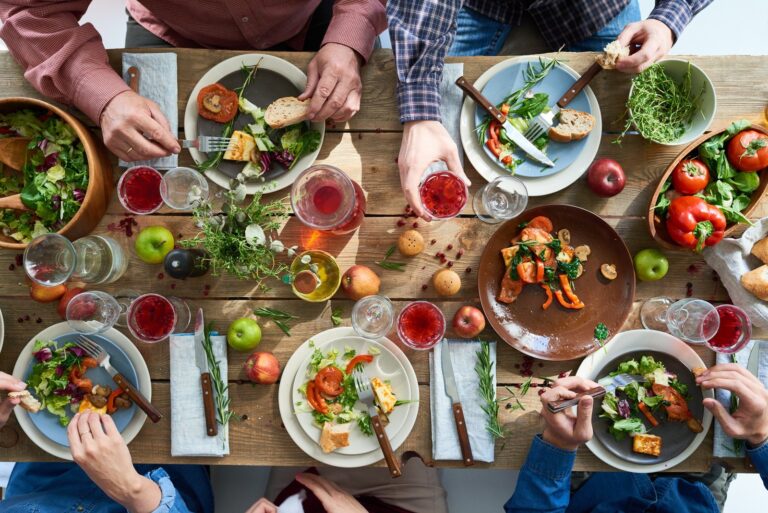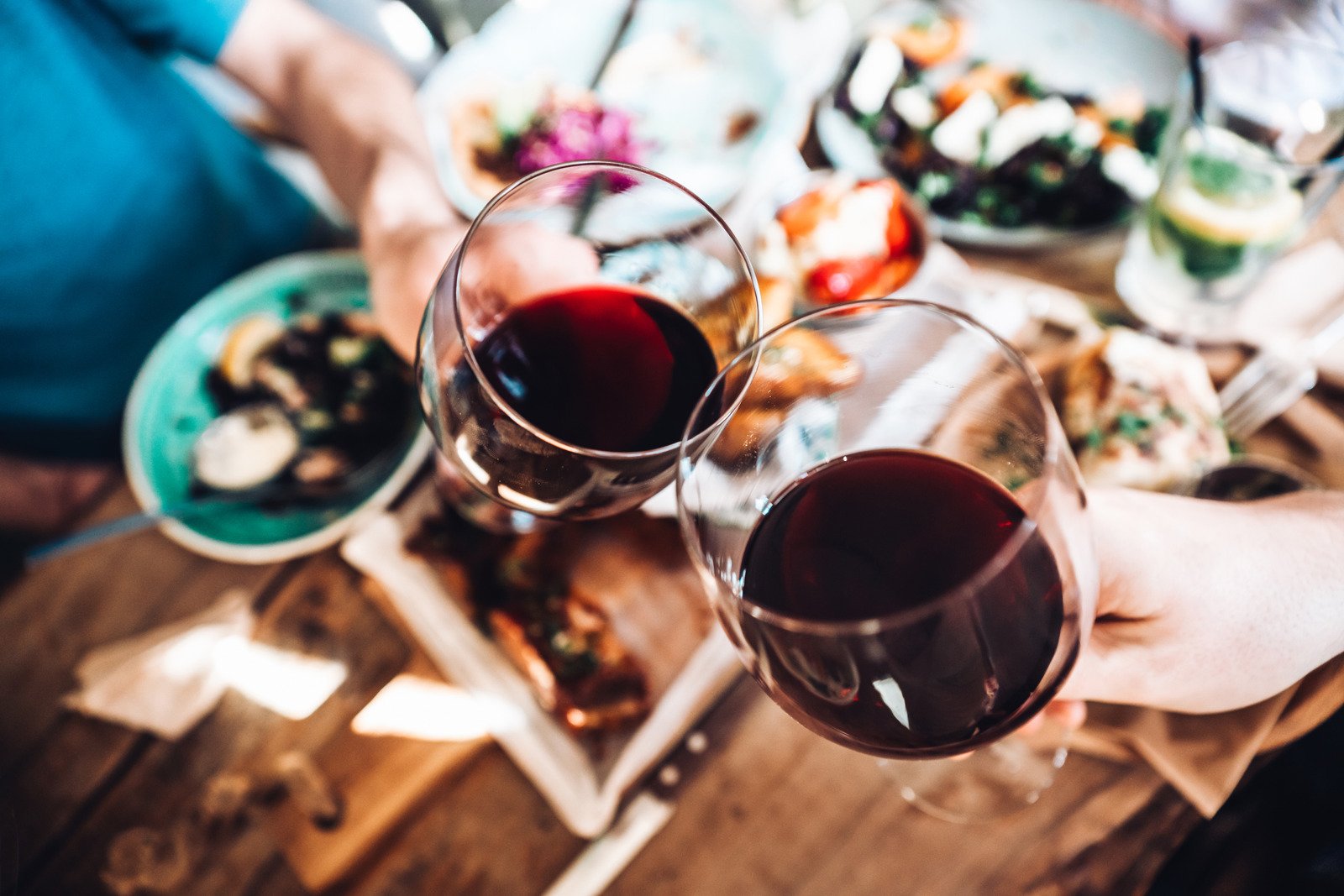
There’s something magical about the perfect pairing of wine and food. It elevates a meal from ordinary to extraordinary, turning a simple dinner into a gastronomic experience. Wine pairing is not just about choosing any wine to go with any dish; it’s an art that enhances flavors, creates harmonious combinations, and delights the senses. In this article, we’ll explore the art of pairing wine and food, providing you with insights and tips to elevate your dining experience to new heights.
Understanding the Basics
Before delving into the intricacies of wine pairing, it’s essential to understand the fundamental principles that guide this culinary art:
- Balance: The key to a successful pairing is balance. The wine should complement and enhance the flavors of the dish without overpowering them, and vice versa.
- Flavor Harmony: Look for flavor harmonies between the wine and the food. Consider the wine’s acidity, sweetness, body, and flavor notes, and how they interact with the flavors of the dish.
- Contrast: While harmony is crucial, contrast can also create exciting pairings. Contrasting elements, such as a crisp, acidic wine with a rich, creamy dish, can create a delightful contrast on the palate.
- Regional Pairing: Often, wines and foods from the same region naturally complement each other. For example, Italian wines with Italian cuisine or French wines with French dishes.
Classic Wine and Food Pairings
Let’s explore some classic wine and food pairings that have stood the test of time:
- Chardonnay and Buttered Lobster: The buttery notes of a Chardonnay complement the richness of buttered lobster.
- Cabernet Sauvignon and Filet Mignon: The bold flavors and tannins of Cabernet Sauvignon stand up well to the richness of a perfectly cooked filet mignon.
- Sauvignon Blanc and Goat Cheese Salad: The crisp acidity of Sauvignon Blanc cuts through the creaminess of goat cheese in a salad.
- Pinot Noir and Roast Chicken: The light and fruity notes of Pinot Noir pair beautifully with roast chicken’s subtle flavors.
- Prosecco and Fresh Oysters: The effervescence and acidity of Prosecco complement the briny freshness of oysters.
Tips for Successful Wine Pairing
Now, let’s delve into some practical tips to help you become a wine-pairing connoisseur:
- Match Intensity: Consider the intensity of both the wine and the dish. Light wines go well with lighter dishes, while fuller-bodied wines pair with heartier fare.
- Consider Acidity: High-acid wines like Sauvignon Blanc or Champagne can cut through fatty or creamy dishes, cleansing the palate.
- Go Local: Explore local wine and food pairings to celebrate regional flavors and traditions.
- Experiment: Don’t be afraid to experiment. Try different wines with the same dish to discover your personal preferences.
- Balance Sweetness: Sweet wines, like Riesling or Moscato, can balance spicy dishes and desserts.
- Temperature Matters: Serve wine at the right temperature. Whites should be chilled, while reds should be slightly below room temperature.
- Pair with Sauces: Consider the dominant sauce in a dish when selecting a wine. For example, tomato-based sauces pair well with Sangiovese wines.
The Joy of Discovery
Pairing wine and food is not a rigid science; it’s an enjoyable journey of discovery. Each dining experience offers an opportunity to explore new flavors, uncover hidden nuances, and appreciate the artistry of combining wine and food. Whether you’re hosting a special dinner or simply enjoying a meal at home, the art of wine pairing can transform an ordinary evening into a memorable culinary adventure. So, raise your glass and savor the delights of this timeless and enchanting art form.